Pizza Shop features brothers Carmine (Charlie) and Fiore (Fred) Osso, who immigrated from Belmonte Calabro (Cosenza province) Calabria, in the mid-1960s. For more than forty…
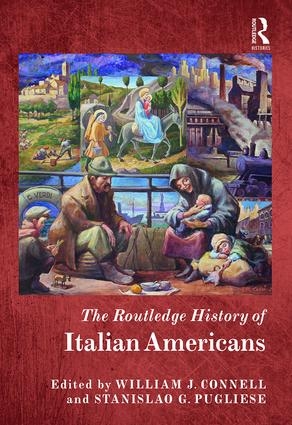
The Routledge History of Italian Americans Edited by William J. Connell and Stanislao G. Pugliese The Routledge History of Italian Americans weaves a narrative of…
Francesco and Mary Giambelli Foundation Lecture Series “Sambuca: A Digital Return” Lecture by Donna Gabaccia University of Toronto Vast claims have been made for the…
John D. Calandra Italian American Institute, Queens College, CUNY
25 W. 43rd Street, 17th Floor New York NY 10036
In 1938, Italian Fascist dictator Benito Mussolini introduced institutionalized antisemitism in his country with the Racial Laws and set in motion events that would culminate…
John D. Calandra Italian American Institute, Queens College, CUNY
25 W. 43rd Street, 17th Floor New York NY 10036
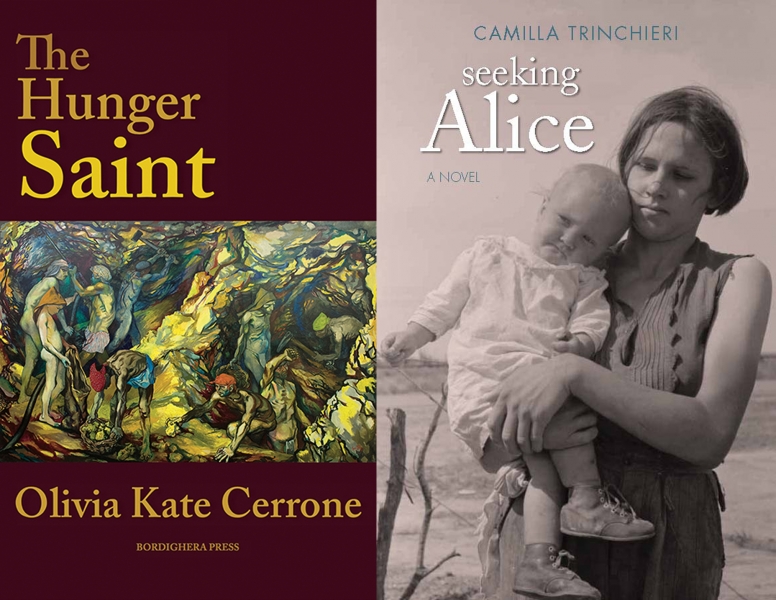
This evening presents two books set in the post–World War II era. Hailed by Kirkus as “a well-crafted and affecting literary tale,” Olivia Kate Cerrone’s…
John D. Calandra Italian American Institute, Queens College, CUNY
25 W. 43rd Street, 17th Floor New York NY 10036
In 1971 patrolman Frank Serpico became the world’s most famous whistleblower, exposing rampant corruption in the New York City Police Department. Peter Maas’s best-selling book…
John D. Calandra Italian American Institute, Queens College, CUNY
25 W. 43rd Street, 17th Floor New York NY 10036
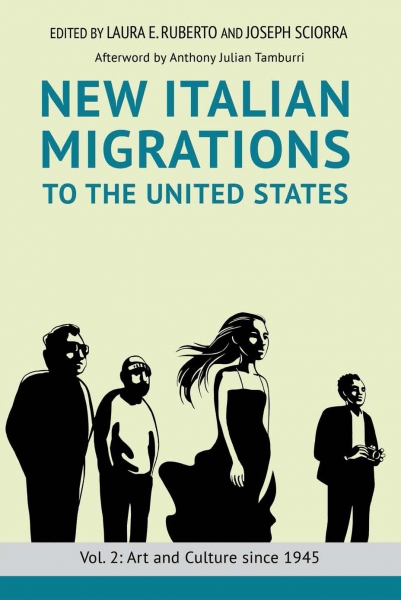
The second volume of New Italian Migrations to the United States (University of Illinois Press, 2017) continues the critical conversation with its predecessor by exploring Italian immigration to the United…
John D. Calandra Italian American Institute, Queens College, CUNY
25 W. 43rd Street, 17th Floor New York NY 10036
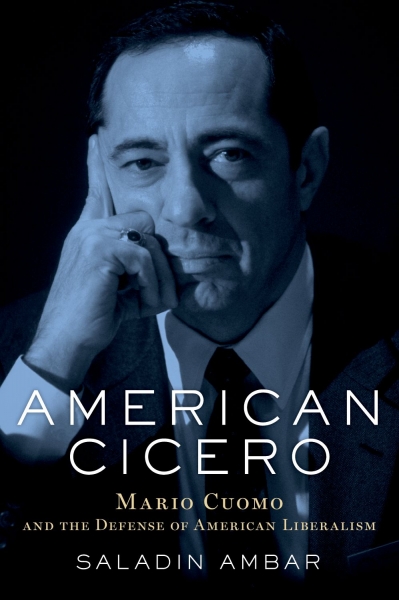
Saladin Ambar’s American Cicero (Oxford University Press, 2017) traces Mario Cuomo’s rise through the rough-and-tumble world of New York City politics to become its liberal champion. A…
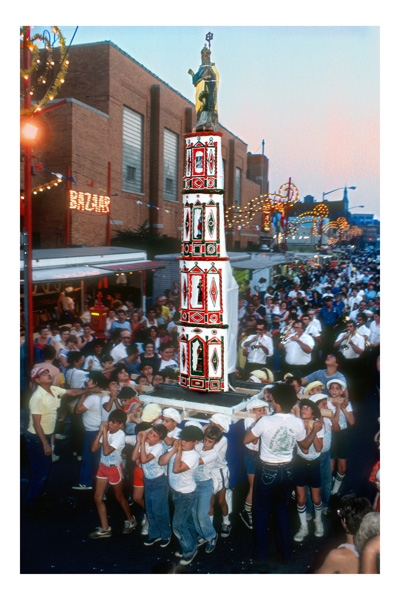
In this collection of images, photojournalist Martha Cooper, well-known for her work on graffiti and the early days of hip-hop, documents Italian American vernacular expressive…
The 1935 song “Faccetta Nera,” a paean to the Fascist imperialist enterprise in Africa, addresses the “little black face” that is the anonymous Abyssinian woman,…